
Nature and Health 2025 Workshop: Advancing regional research collaboration on urban health and sustainable development
From scientific evidence to policy action: connecting nature, health, and a sustainable urban future across the Asia–Pacific.
Co-hosted by SVI, the Nature and Health 2025 Workshop brought together leading researchers from Australia and Asia to share the latest evidence on the health impacts of green and blue spaces, while laying the groundwork for international publication collaborations that translate science into policy recommendations for healthier, more sustainable cities.
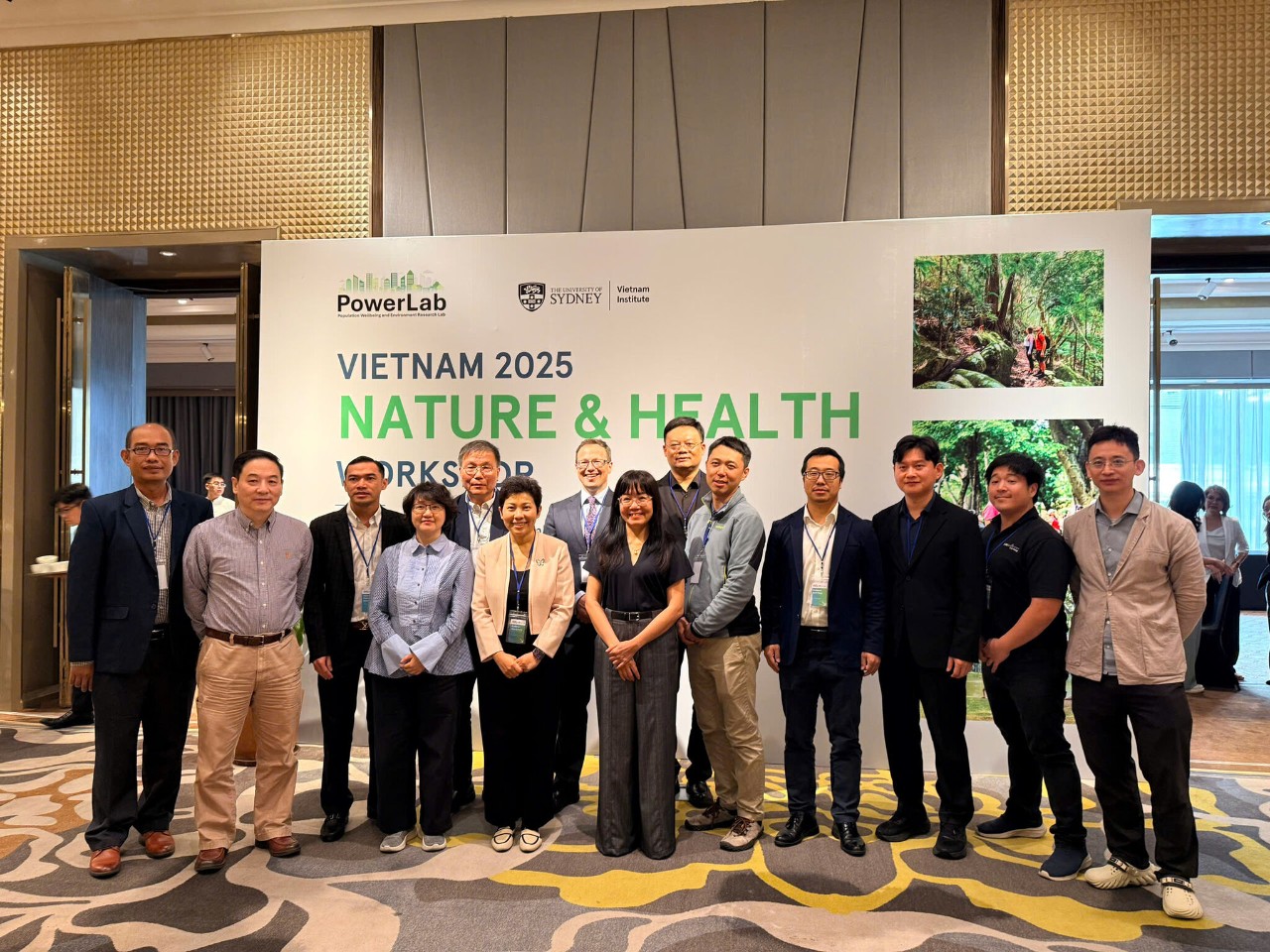
The Nature and Health 2025 Workshop, held in Ho Chi Minh City, was co-organised by the University of Sydney Vietnam Institute (SVI) together with Professor Thomas Astell-Burt (The University of Sydney) and Professor Xiaoqi Feng (The University of New South Wales). The workshop brought together more than 10 researchers from 10 countries across the Asia–Pacific region, creating a vibrant platform for regional knowledge exchange and collaboration.
The workshop aimed to share the latest research on the relationships between nature and health across East Asia, Southeast Asia, and Australia, including epidemiological studies examining the impacts of green and blue spaces on health, as well as experimental studies testing “nature prescription” models and related health interventions. Participants discussed pressing urban health challenges such as air pollution, climate change, rapid urbanisation, and population ageing.
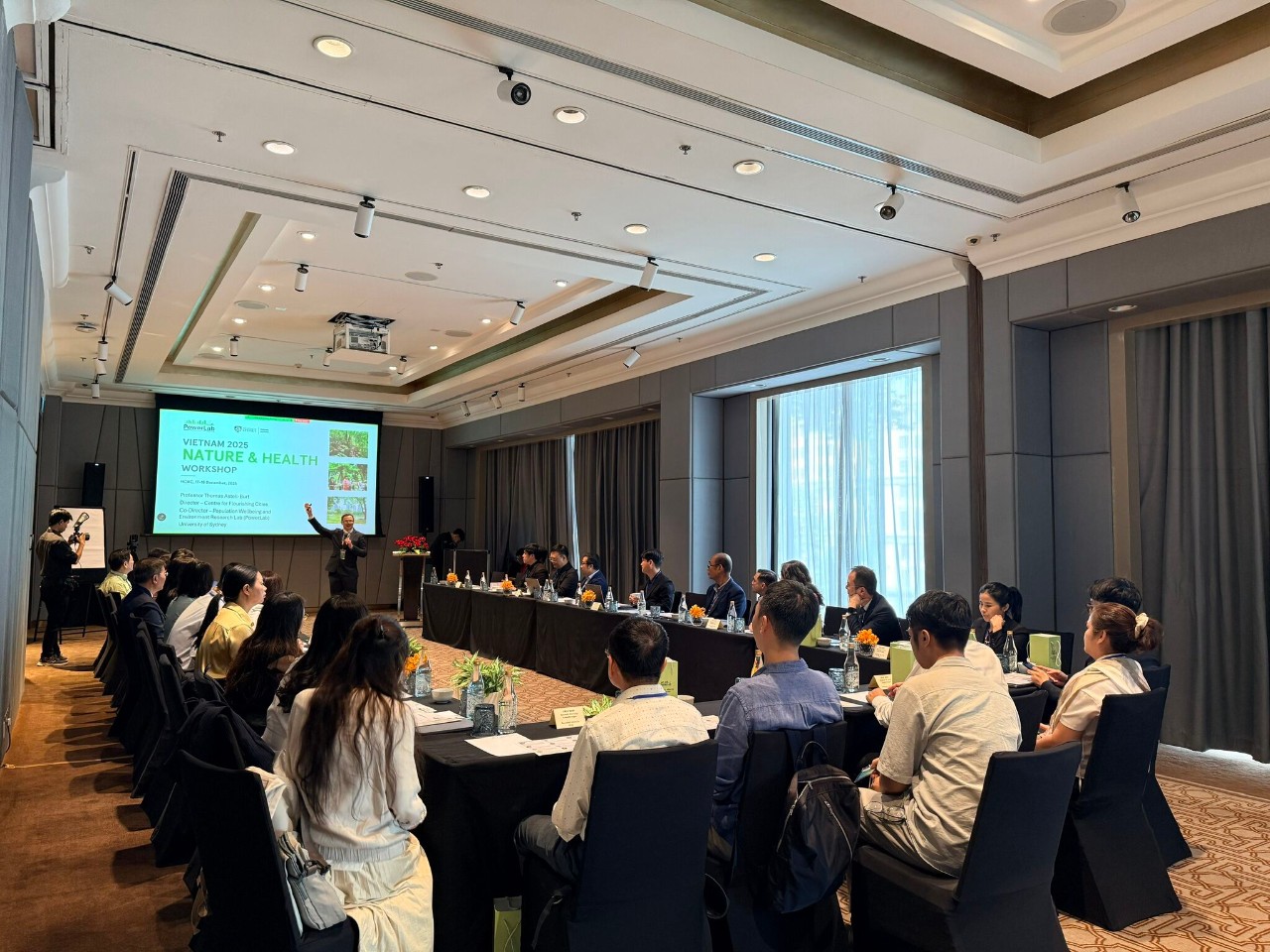
A key focus of the workshop was the role of urban green spaces in improving physical and mental health, reducing non-communicable diseases, and enhancing social wellbeing. Evidence highlighted that not only the quantity, but also the quality, accessibility, and cultural context of green spaces are critical. The workshop emphasised the importance of interdisciplinary collaboration across public health, urban planning, ecology, landscape architecture, and data science.
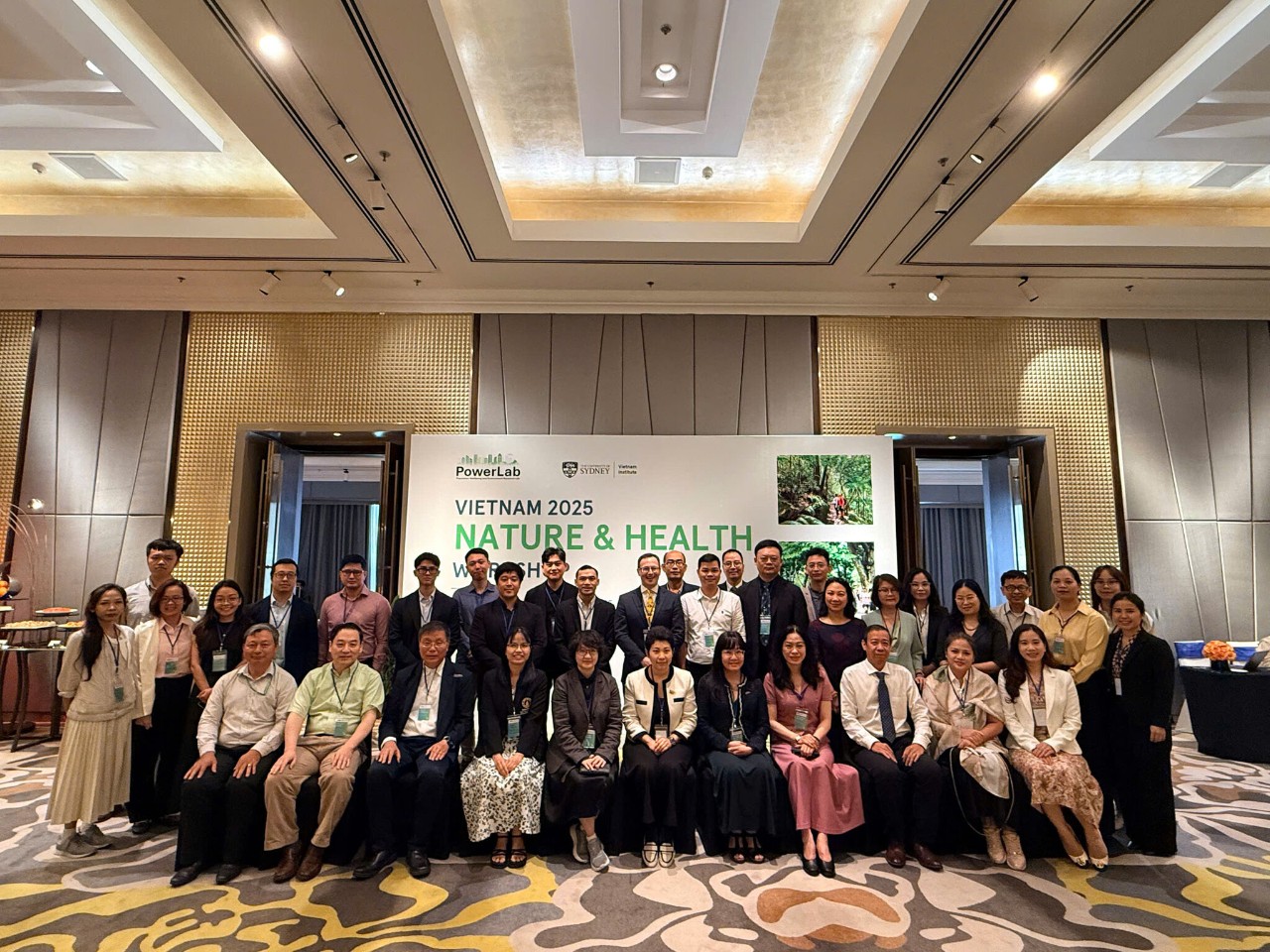
Notably, participants agreed to establish a co-authorship group and a publication plan to develop a landmark study, targeted for submission to The Lancet Planetary Health or an equivalent high-impact journal, translating scientific evidence into globally relevant policy recommendations for healthier and more sustainable cities.